
“Without Reason or Art”
How the art Michelangelo dismissed became the future of painting

I recently cracked the code on a mystery that’s been bothering me for years.
There’s a common story told in art history about the French art that precedes Impressionism. Two schools in particular, the Barbizon School and the Realists, are part of an expansion of what counts as “fine art.”
Art was supposed to concern itself with scenes that were capital-I Important. Famous religious scenes, seminal historical events (often from the Classical era), and maybe some portraits of royal figures. Makes sense, paint and materials used to be expensive.
In walk the Barbizon School, who take advantage of new technology to paint landscapes outdoors, rather than in a studio. The school is named after a town where they worked, and here’s two representative works from Theodore Rousseau:
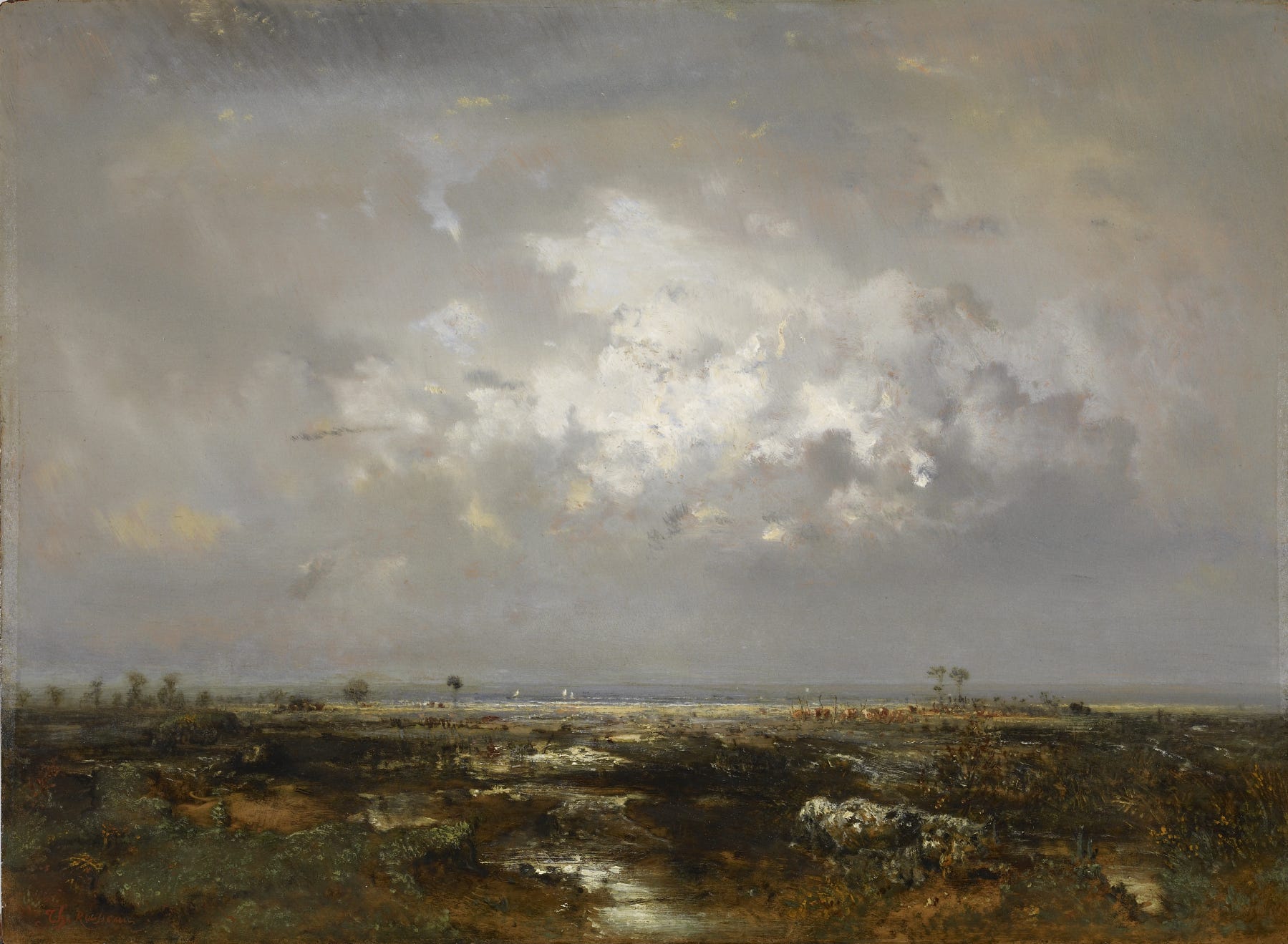
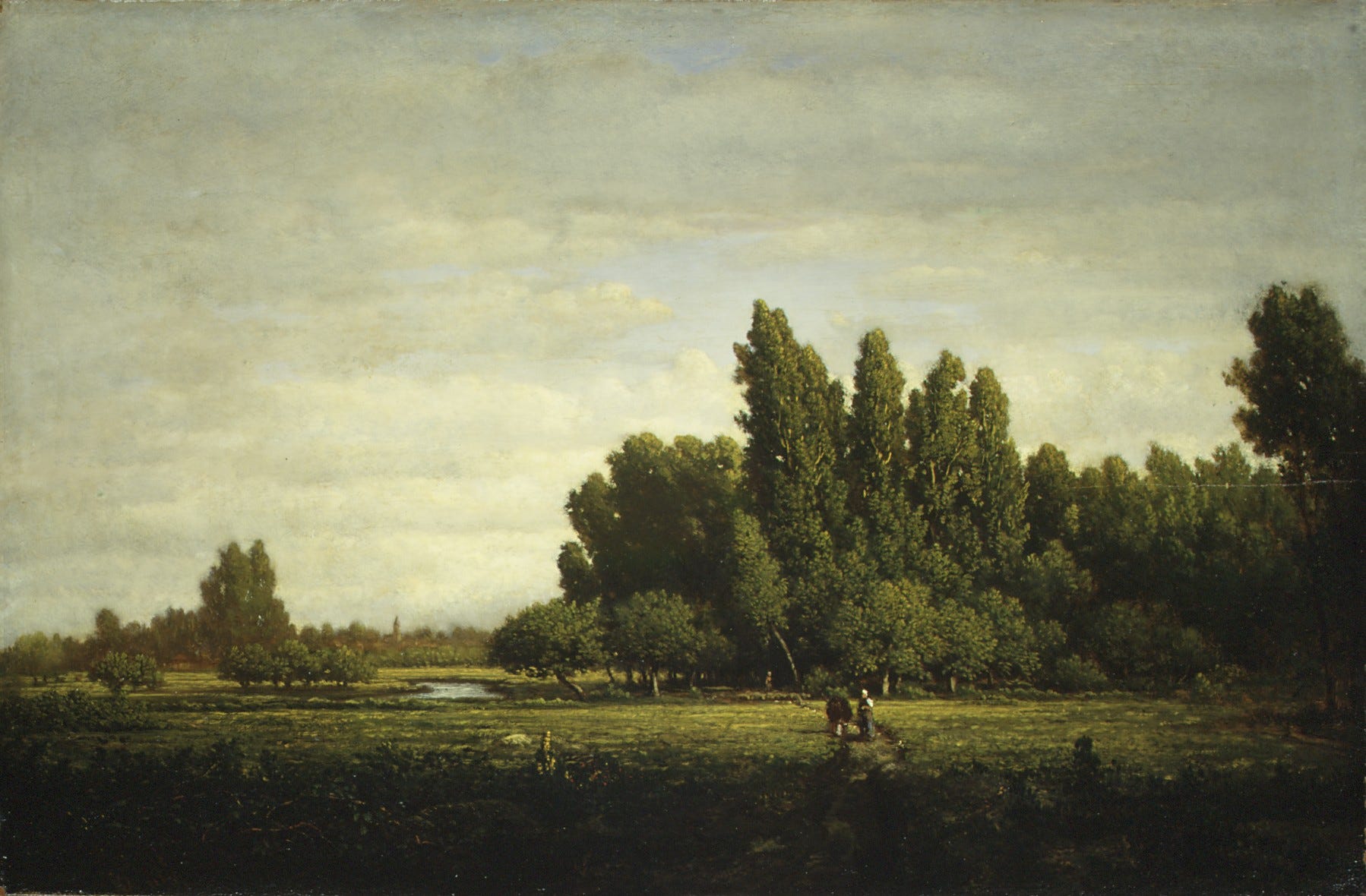
Then you have the Realists coming in, who begin to paint everyday life. This meant not just landscapes, but *gasp* peasants:
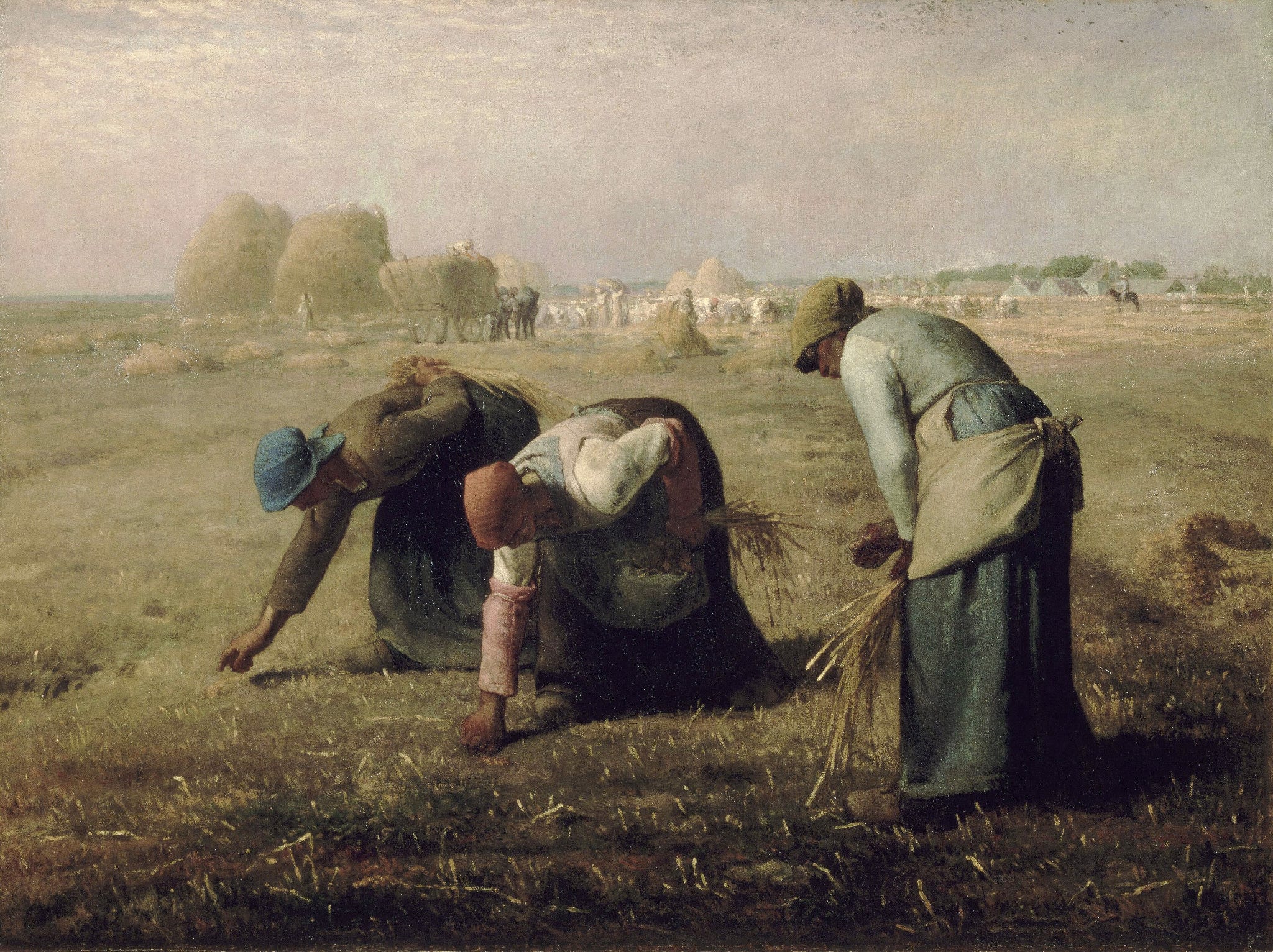
That’s Millet’s The Gleaners, probably the most famous Realist painting. For those keeping track, this painting is from 1857, nearly two decades before the first Impressionist exhibition (1874). The Barbizon folks started working in the 1830s.
But wait a minute. When I go to art museums, I see a lot of Dutch landscape painting from the 1600s, the so-called Dutch Golden Age. It’s Europe, everyone was pretty close together, it’s not like Rembrandt and other Dutch Masters were obscure.
So why was it a big deal when the Realists and then the Impressionists embraced landscapes 100-200 years later? How could that be pathbreaking? What am I missing?
The Art of Describing Art
This is one of these questions that’s just been kicking around my head for the last few years and pops back up when I go to an art museum. Delightfully, I recently stumbled on an answer that helped me make sense of it.
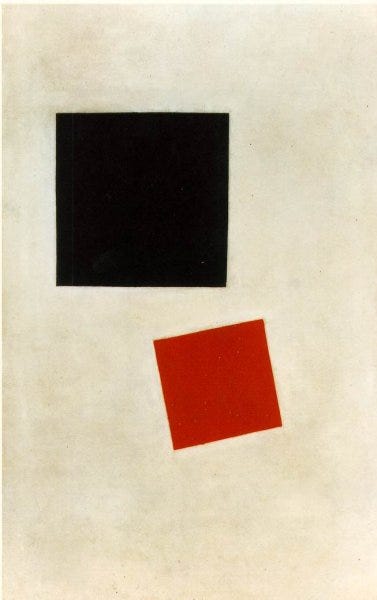
I read TJ Clark’s Farewell to an Idea on Modernism and was blown away. The man reads paintings at an astonishingly deep level and brings so much excitement and energy. To be honest, it’s a dense book that often goes over my head. But he’s trying to put into words some of the transcendent qualities of art and words are bound to fail. For every two observations that went over my head, another completely unlocked a work or artist. He electrifies the Russian Suprematists and The Death of Marat with equal force:
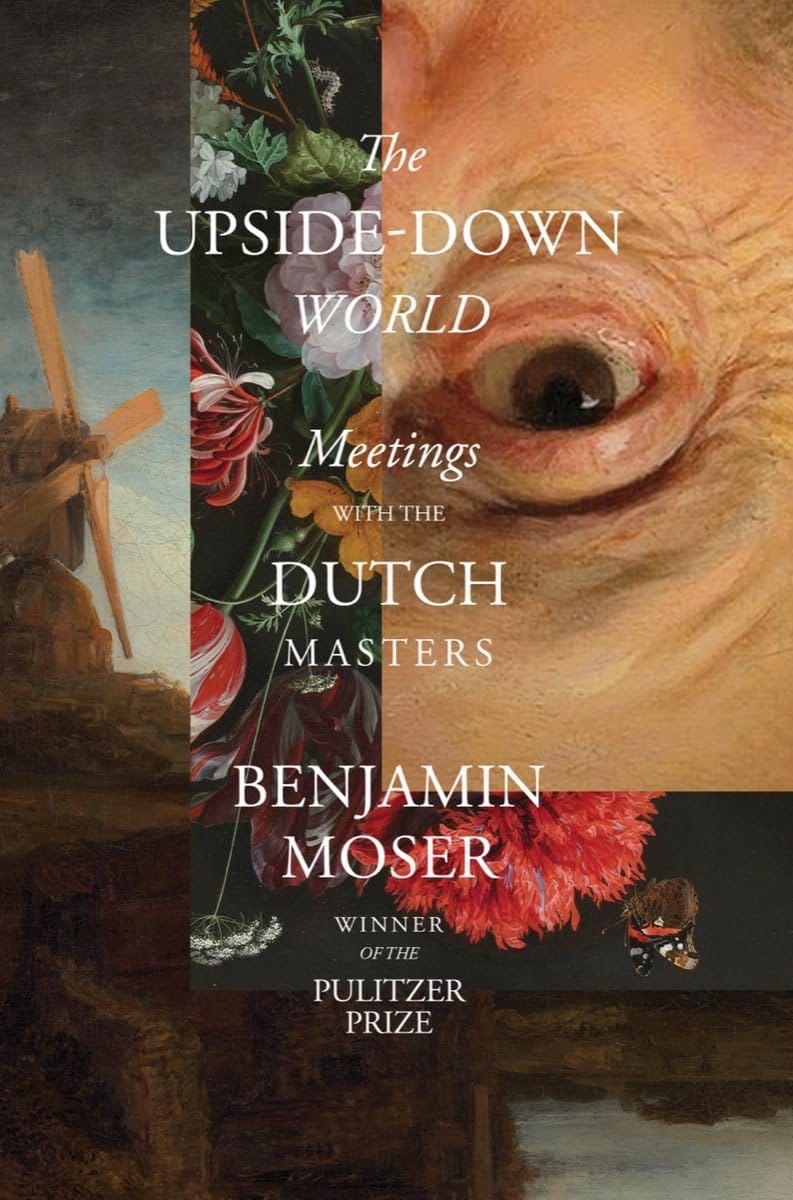
So I asked ChatGPT for similar books that blend Clark’s deep reading of paintings and his historical perspective, and one was Svetlana Alpers’s The Art of Describing, a pathbreaking work on Dutch Golden Age painting. I’ve been gradually warming up to that stuff, even the still lifes that I used to find incredibly boring. Some credit goes to Benjamin Moser’s The Upside-Down World: Meetings with the Dutch Masters – I wish there were more books this personal and informative for other eras of art history.
Shaking the Italian bias
Alpers describes a bifurcated European art history that began with the Renaissance, which was itself divided between the Northern Renaissance (Germany and Netherlands primarily) and the Italian Renaissance. The long history of privileging the Italian Renaissance continues today. If you pull ten people off the street, they’re more likely to have heard of Michelangelo or Leonardo da Vinci than Jan van Eyck.
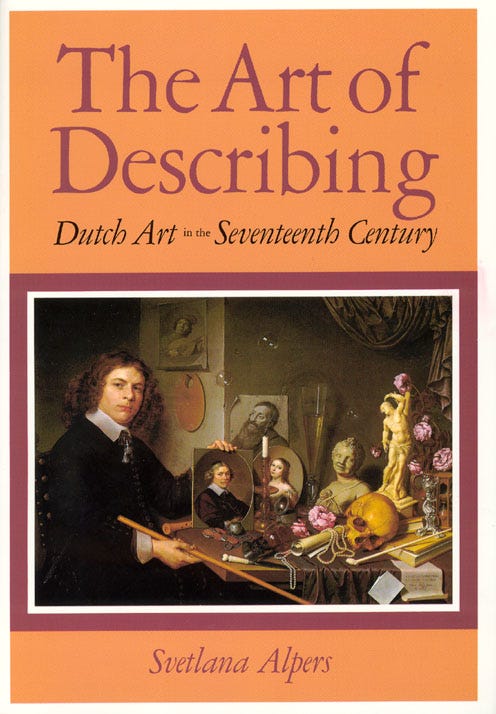
This snobbiness goes way back. One of my favorite parts of the book is this description by Michelangelo himself (recounted to Francisco de Holanda):
Flemish painting will ... please the devout better than any painting of Italy. It will appeal to women, especially to the very old and the very young, and also to monks and nuns and to certain noblemen who have no sense of true harmony. In Flanders they paint with a view to external exactness or such things as may cheer you and of which you cannot speak ill, as for example saints and prophets. They paint clothes and masonry, the green grass of the fields, the shadow of trees, and rivers and bridges, which they call landscapes, with many figures on this side and many figures on that. And all this, though it pleases some persons, is done without reason or art, without symmetry or proportion, without skilful choice or boldness and, finally, without substance or vigour. … It is practically only the work done in Italy we can call true painting, and that is why we call good painting Italian.
Well, then. Tell us what you really think!
According to Alpers, the Dutch at the time agreed with the description, if not the value judgments placed upon it. They “lay[] claim to nature, rather than art, as the source of their artistic accomplishment.”
The problem is that the field of art history ran with Michelangelo’s value judgments to a fault, creating what Alpers calls an “Italian bias.” Italians valued classical scenes, history paintings, and works that broadly skew towards narrative instead of everyday representation, and their greatest focus was on conveying incredible depth of feeling and nuance in the human body.
Therefore, art historians looked for all these qualities in Dutch painting to validate it. It’s no wonder that Rembrandt, who most aligns with the subject matter and approach of the Italian Renaissance, is the “biggest” name from the Dutch Golden Age.
But Dutch painters had a different value system. They weren’t trying to convey “invisible feelings” and deep human passions via finely-rendered figures and faces, often in deliberately framed discrete narrative scenes. Instead, there is a “pleasure taken in description,” in rendering everyday life, nature, the fuzziness of a collar or the many potential faces and textures of a lemon:
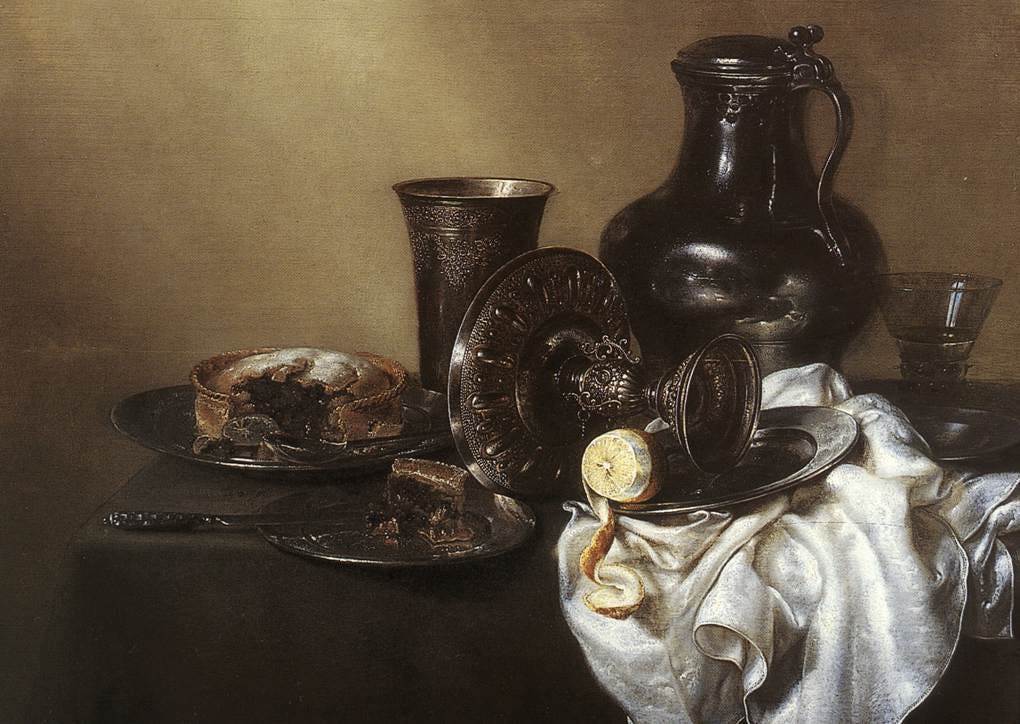
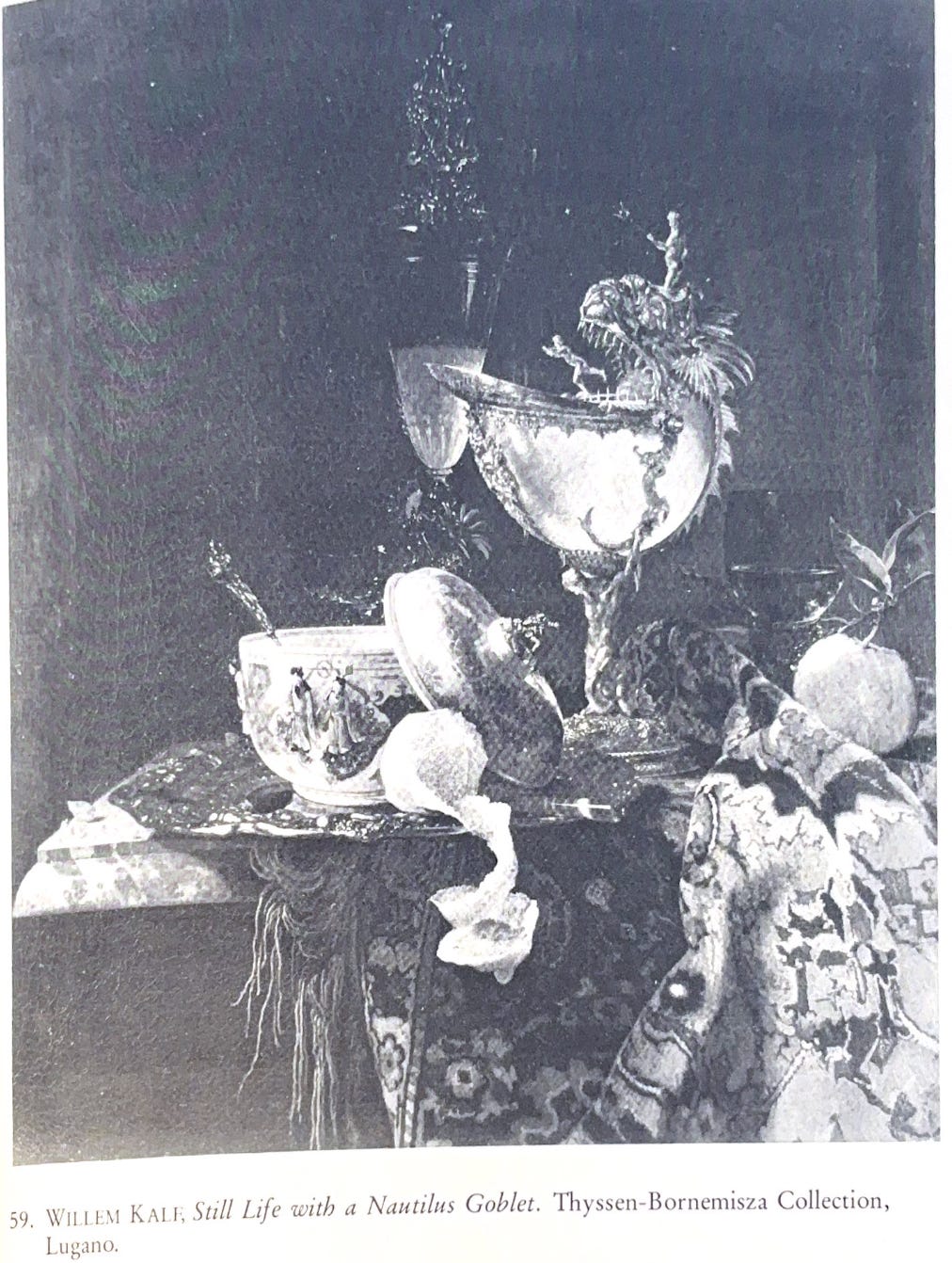
As Alpers says, “We have never seen a lemon in this way before” in real life. “Whatever other aspects there are to such works, it is clear that they are devised as a feast for the attentive eye.”
This era also sees the first landscape drawings made straight in the field, rather than in a studio:
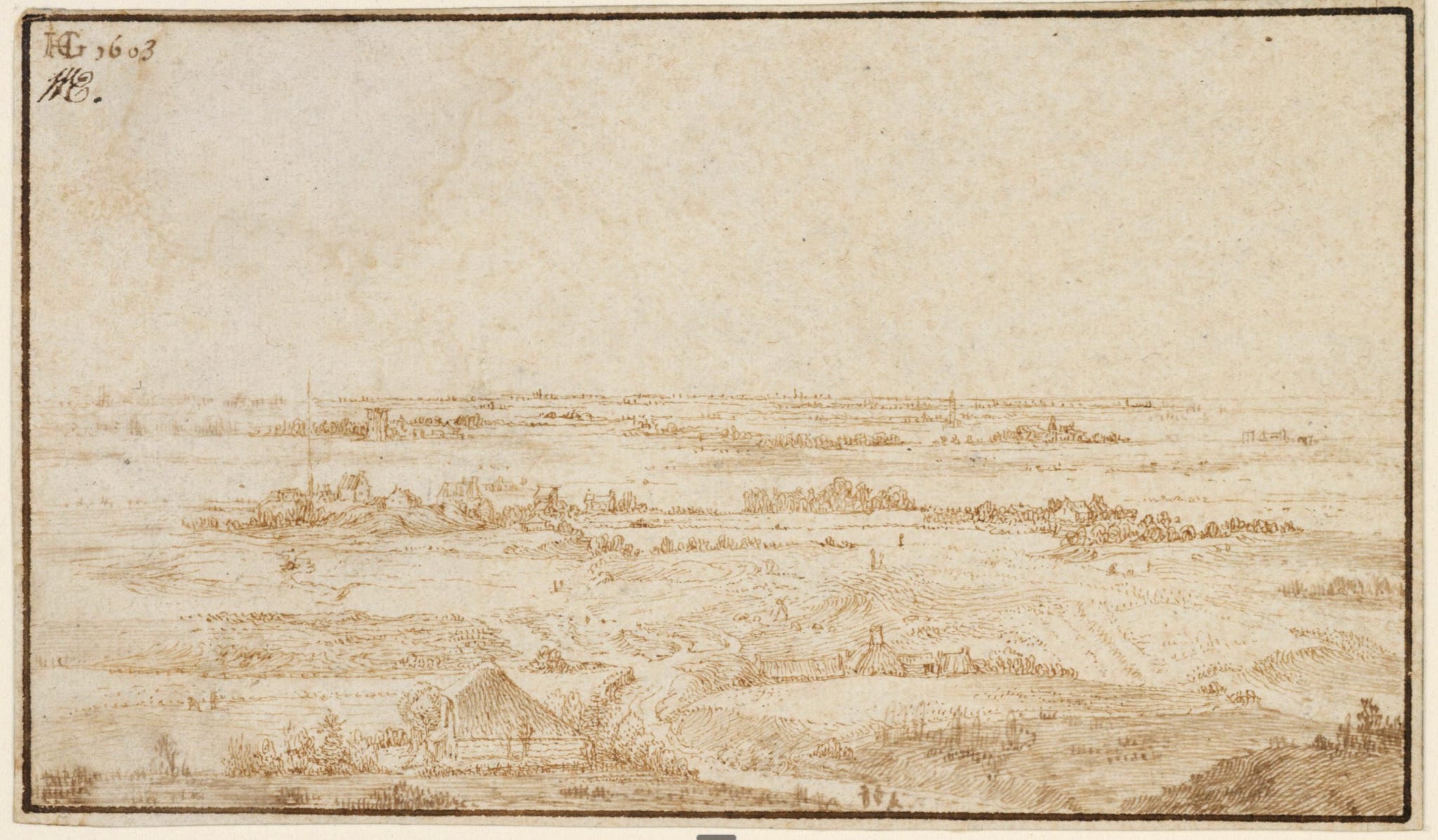
So this art of describing ends up in some interesting places. In one way, it’s a push towards interest in scenes of everyday life that contrast sharply with the expressive, narrative paintings coming out of Italy that came to define Important Art. In another, there’s a pure fascination with the natural world that leads to visually dissecting a lemon. Alpers compares the Dutch visual culture to scientific figures like Francis Bacon or cartographers, both interested in cataloguing the world.
The last factor is that Dutch art was more popular and less academic than the fine art that held sway in the French academy, which was very much descended from the Italian Renaissance. Dutch paintings were generally smaller and made to hang in people’s houses. Remember that the Dutch were prosperous from global trade (this is the era of the Dutch East India Company), and people had disposable income to spend on paintings.
Everyday life was a particularly fitting subject at that scale and in that setting.
The rediscovery of description
To summarize, the Dutch aesthetic was seen as inferior to that of the Italian Renaissance by the elite art world, which trained and critically validated fine art through academic institutions and exhibitions. Italian painting won, and the smaller household art of the Netherlands was seen as playing a totally different game, closer to a craft than True Art.
So how does all this tie back into my original question? If the Dutch painted landscapes and everyday life before, why did it matter when the French did it 200 years later?
I was missing the high vs. low art distinctions and the way that this made some of the Dutch Golden Age art essentially invisible to the cultural powers-that-be. It wasn’t fine art, it was just craft, decoration, description.
What the Barbizon School and the Realists did was to reassert this subject matter within the space of fine art. Courbet, probably the most famous Realist painter, is a particular provocateur, merging everyday scenes like a rural burial in his home town of Ornans with the scale and grandeur that French academy painting would reserve for a coronation or a Biblical scene.
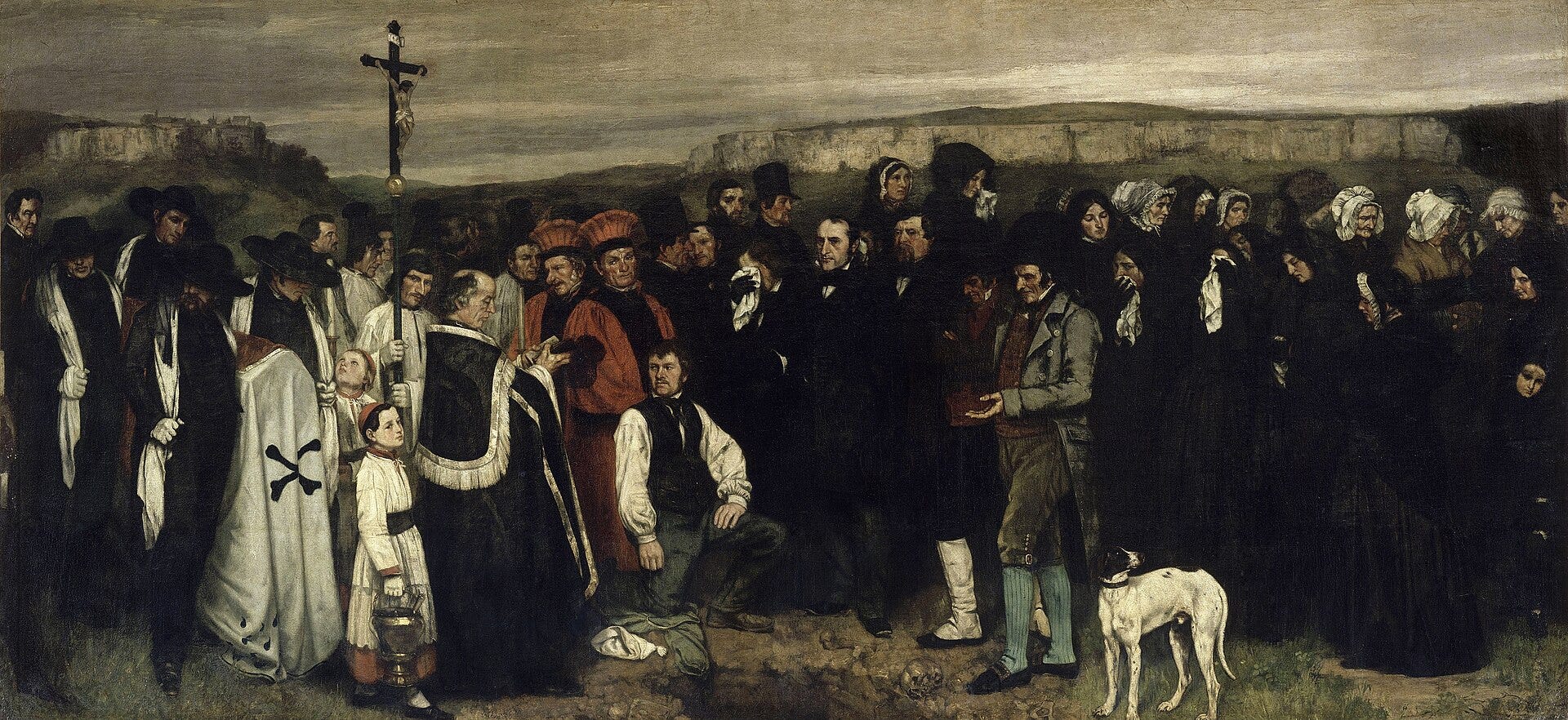
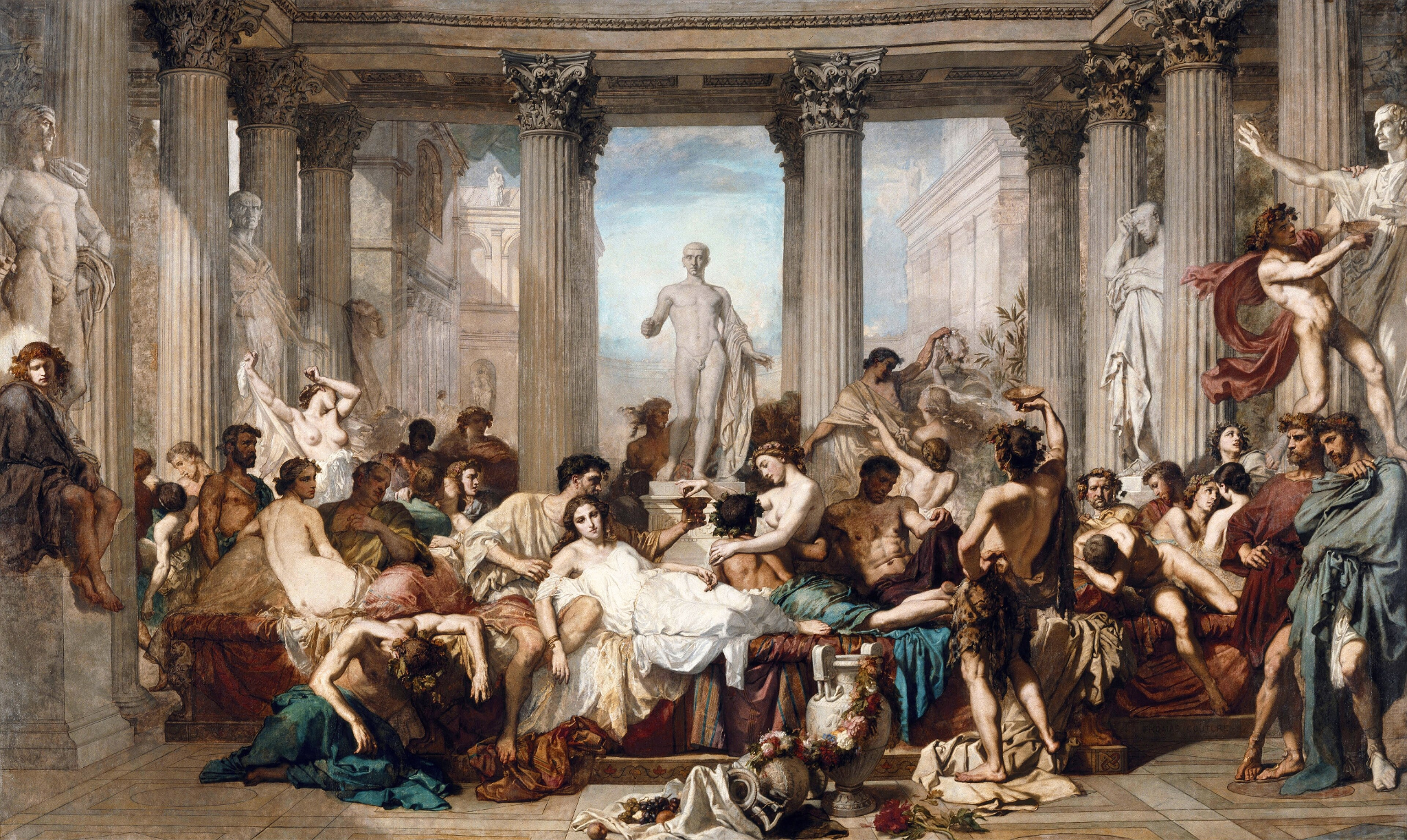
Famously, when one of his major paintings (The Painter’s Studio) was rejected from the 1855 Exposition Universelle (a Parisian World’s Fair), he set up his own “Pavilion of Realism” right next door to the official venue. What better distillation of his challenge to the notion of what counted as important art?
There are some transitional figures as well. John Constable, whose work I recently discovered at the Tate Britain, was a major influence on the budding French movement. Caspar David Friedrich, of course, painted landscapes. But both of them often have an agenda, a narrative or emotional point they’re trying to convey with their work, that slots them more into the Italian lineage.
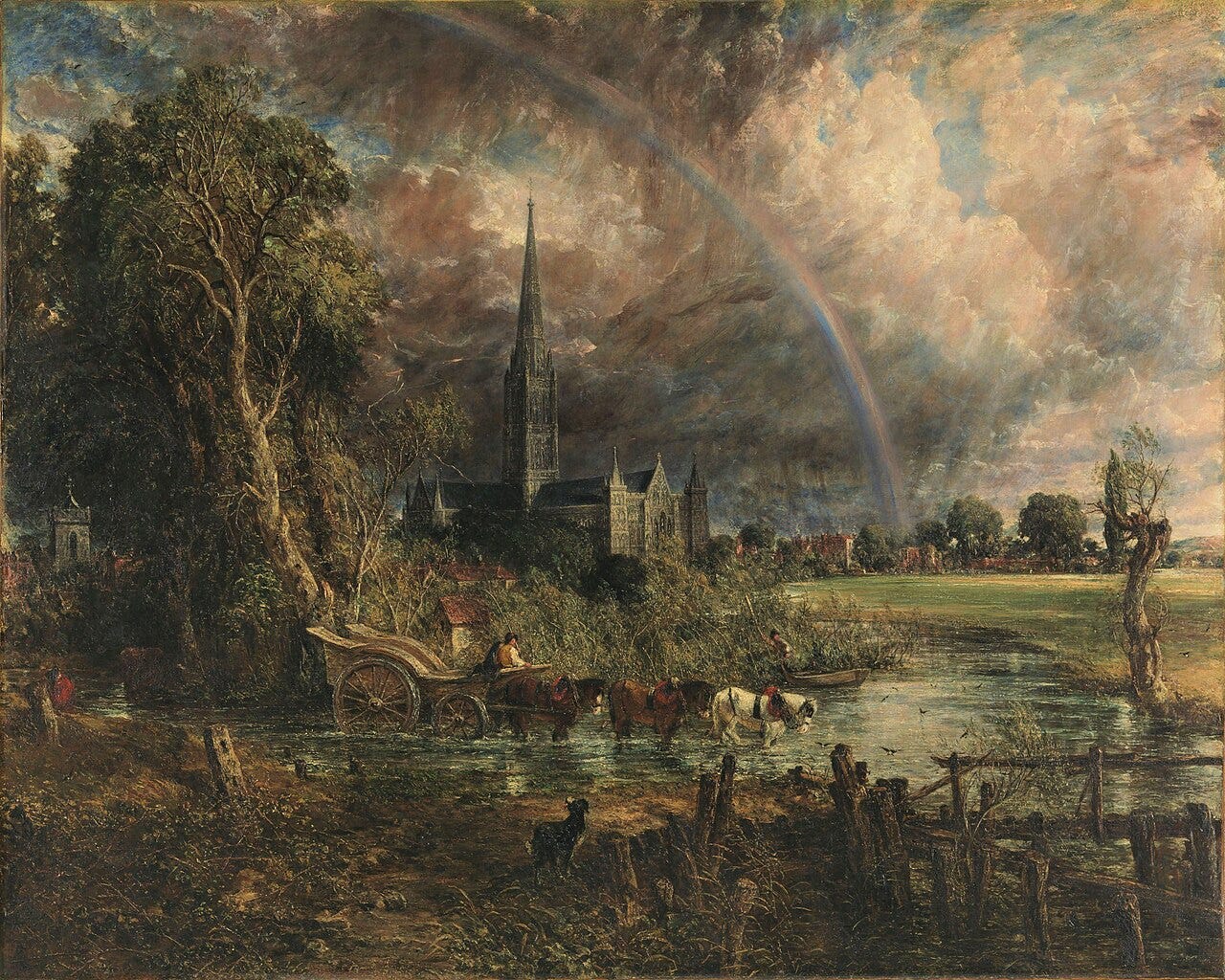
Nevertheless, they were engaging with landscape in a serious way and broadening the scope of fine art. By the time of the Impressionists, the pure study of light and the depiction of modern life were fully assimilated.
Hiding in plain sight
This whole story underscores the historical importance of distinctions like high art vs. low art or arts vs. crafts. Plus, the importance of geographically-bound scenes like the French academy or the Dutch Golden Age.
We’re in an era where many of those distinctions have faded. High-status cultural critics embrace pop music and the Internet has fully melted us together. But a combination of elite gatekeeping and limited geographical scenes shaped the development of art in the past much more than it does today.
As I wrote in this post, most of the best new art arises from strange and unexpected recombinations of previous media. As art making and publishing has become democratized, the gate moved from getting shown at all to getting noticed, from access to attention. In some ways the modern equivalent of the old gatekeepers are the algorithms that structure and standardize how most people discover art:

Speaking of technological change, it’s a massive part of the story of landscape painting. Hendrick Goltzius did not stand outdoors and paint en plein air because it was not possible with the paint of his time. Even Courbet primarily sketched outdoors and then painted the scenes back in his studio.
But then we invented paint tubes and new formulations of paint itself that allowed for painting outdoors effectively. And soon after the Impressionists exploded through the door that was opened for them by the Realists and Barbizon painters.
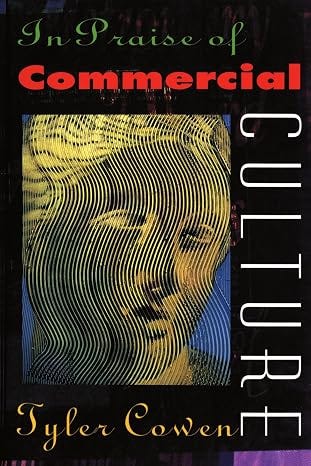
In general, the role of technological change in facilitating new movements of art is underrated. I recommend Tyler Cowen’s early book In Praise of Commercial Culture. In addition to its heterodox argument that commercialization is good for art, it’s an insane catalog of the role of technological innovation across art forms.
Finally, it’s a reminder of how much amazing work can hide in plain sight, and for how long.
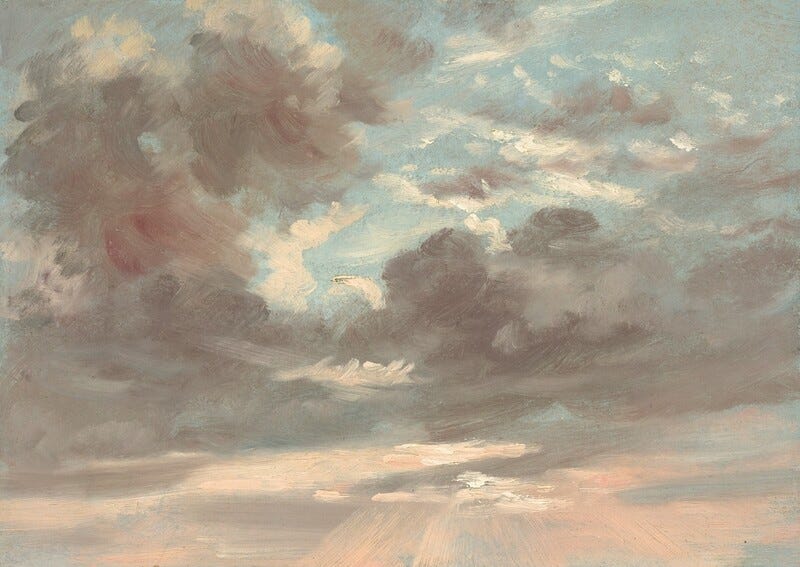
Innovations can just lie there, in this case for centuries, until people come along and recognize what’s great about them. Artists themselves often don’t even realize which of their works are truly great. John Constable painted intricate scenes like the one above, but scholars now obsess just as much over his studies of clouds:
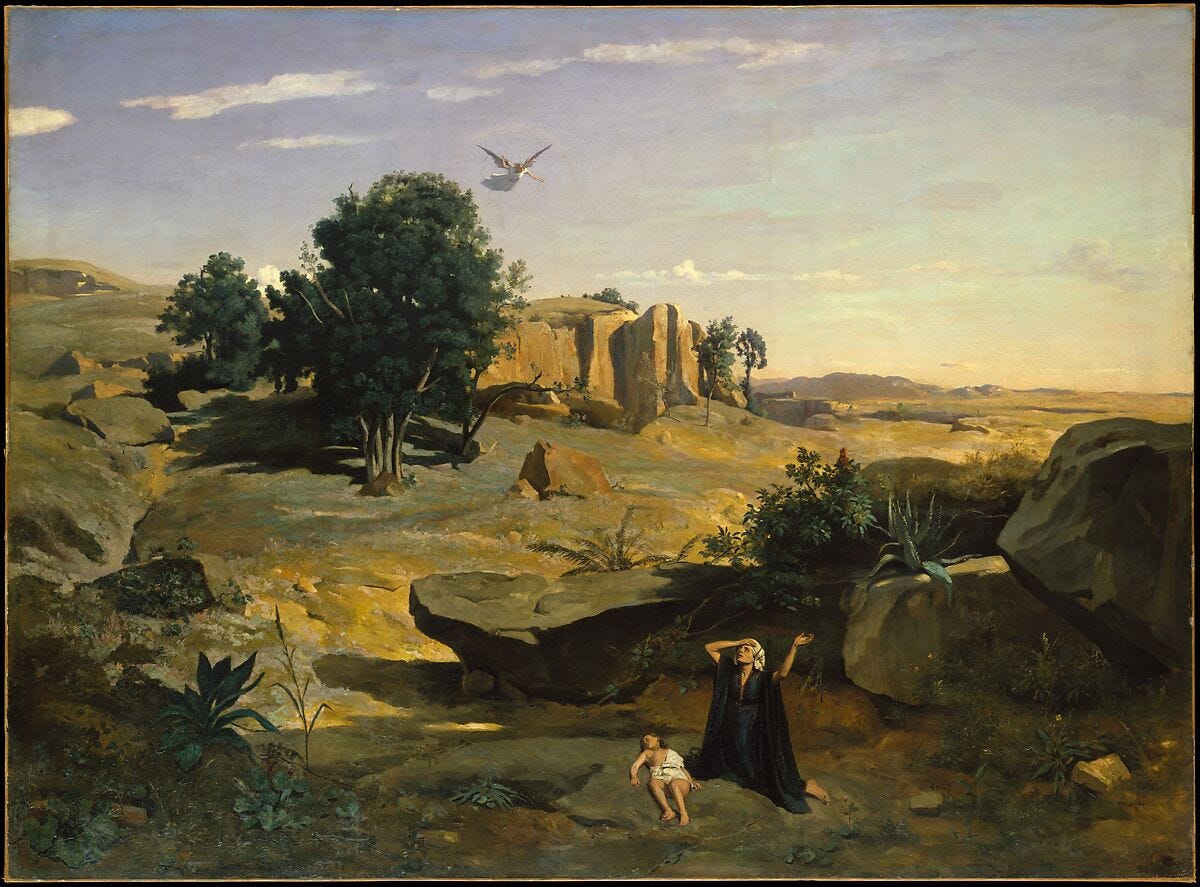
Corot, one of the big Barbizon painters, later became famous for his sketch-like nature paintings, which feel like Impressionism before Impressionism. But during his lifetime he probably thought large works like Hagar in the Wilderness were his real legacy:
This is part of the fun of studying art— it wakes you up to the contingencies and the unknowns all around us. Who knows what musician’s inconsequential demos today will inspire a future musical movement? What discarded sketches will resonate two centuries from now? What are we not even seeing as art today that future generations will treasure?
Thought-provoking, as usual. I *loved* the MichelAngelo quote.
Two unconnected thoughts popped through my head as I read your piece:
1-the Italian / Dutch polarity must have something to do with the Catholic / Protestant polarity, the major antagonism of the Renaissance / Early Modern era. I'm sure this has been written up somewhere, but at the minimum, it means that there was a robust market for muscular and propagandistic art in Catholic lands, and art of that period (including in architecture) often has these qualities (not just MichelAngelo's). Conversely, there weren't any more bishops ordering punchy biblical scenes in Protestant lands, so that market was closed. This doesn't exhaust the question of why Dutch private citizens took to liking calm, modest scenes where nothing much happens. As you mention, they decided that it was OK to "just describe" without making a big statement - but why? The Dutch, then as now, are no dullards. But it seems they turned away from drama in painting.
2-I've often reflected on how, before the advent of Rock'n Roll and of a "youth culture" generally, young men's rebelliousness and antisocial tendencies had to be expressed differently. This is very obvious in 19th Century French poetry and literature, where you can recognize the deliberate provocation, bohemian tribalism and self-aware deviancy that we've more recently associated with various "waves" of Rock music (and which is now spent). You showcase Courbet and he was a major provocateur in his time, always looking to make a splash and a few good enemies- and many would follow, as a sort of dialectic of scandal / established bourgeois taste, until painting, too, was a spent force.