
The Unlikely Salsa City: Notes on Cali
How an inland city far from the Caribbean became a world salsa hub

In Cali, Colombia, cab drivers listen to salsa music. Hip record bars spin obscure salsa records. Salsa lessons are offered freely in the streets. On the weekends, a downtown block is shut down for public dancing called Calle del Sabor. During my recent trip there (which I wrote up here) I watched the crowd go nuts for a salsa-fication of “Careless Whisper.”
And all of this is, as far as I can tell, after the genre’s popularity has waned in the city that has been Colombia’s Salsa Capital since the genre emerged in the 1950s and 1960s. Kids still grow up knowing salsa classics, but there’s increasing competition from reggaeton and other styles of dance music.
But here’s the puzzle. Salsa music comes from the Caribbean. Cali is hundreds of miles inland from the Pacific and a minimum 15-hour drive from the Caribbean Coast. How did the genre take root there?
The unlikely Salsa City
In preparation for my recent trip to Colombia, I read Lise Waxer’s work of ethnomusicology The City of Musical Memory, which focuses on Cali and its salsa scene:
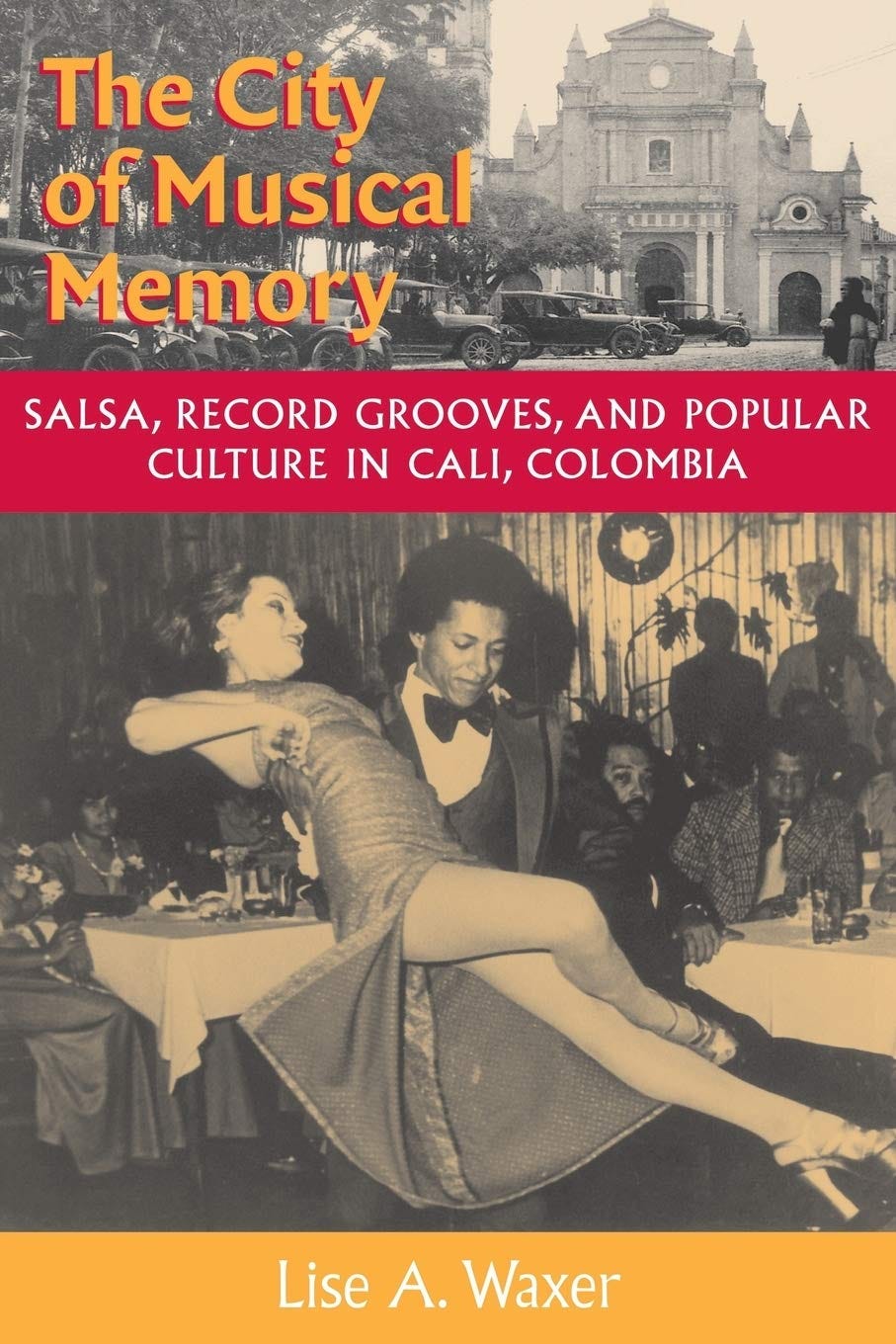
Cali has been The Salsa City for so long that it is second nature to Colombians. But like I said above, when you take a step back it doesn’t really make much sense.
Salsa music comes from the Caribbean, particularly Cuban son music. Bands from Cuba and Puerto Rico melded with American jazz dance band culture to create salsa music in NYC in the 1950s and 1960s.
If you looked at this map of major cities in Colombia and had to guess in 1950 which would become Salsa Central, which would you pick?
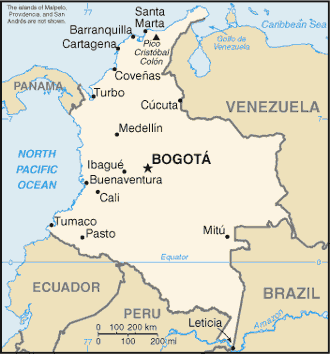
Probably Barranquilla or Cartagena, right? Certainly not Cali, which is about as far away from the Caribbean as any major Colombian city.
Why Cali?
Overall, Waxer’s book has the same issues as many academic books. At times, it strays into unnecessarily-obtuse theory, or ethnographic observations that are too banal and micro to be of general interest.
But there’s some Goldilocks content in the middle, where she tells a compelling cultural story about why this scene developed in Cali, of all places. The ethnography also helps paint the picture of a vibrant salsa scene that for decades revolved around DJs, rather than a domestic live music scene. This came later.
The first reason that salsa came to Cali was its proximity to the port of Buenaventura. Even though it wasn’t on the “right” coast, sailors would still bring salsa records and sell them to local DJs, who would bring them back up the road to Cali. In the age of streaming it’s fun to think back to an era where you couldn’t access a new genre like this without a path to the sea.
Two, Cali wanted their own regional identity and music to go along with it. Colombia is a diverse nation with different cultures and geographies. If someone were to ask in 1940 to hear an example of “Colombian music,” they’d probably end up listening to bambuco or pasillo, stringed-instrument folk music from the Andean highlands. Lyric-heavy, European-influenced (pasillo is a waltz, example below), from the part of the country where most of the elites live.
Cali had always felt culturally like Colombia’s orphaned stepchild. Not a part of any of the other large regional identities of the country, neither the Andes nor the Caribbean and its vallenato music. They wanted their own music to match this separate identity. Cali began to grow in population and became more connected with the rest of the world just as salsa music began to blow up. The timing was perfect.
Which brings us to the third factor. Cali had a sizable Black population. While they were physically closer to the Pacific Coast Afro-Colombians than the Caribbean, the global rise of salsa music gave Black Caleños a chance to participate meaningfully in the culture of the African Diaspora.
Salsa was a crucial part of cementing this identity and pride as a Black city. The city has stayed a destination for Black Colombians, with hundreds of thousands moving there from around the country. Cali now boasts the largest Afro-Latino festival, Petronio Álvarez, which focuses on the cultures of the nearby Pacific Coast. I was lucky enough to attend Petronio, which I wrote up in a recent post.
Blockades and Bridges: Notes on Colombia

Within an hour of our arrival in Colombia, we had reached an impasse.
Local meets global
For me, it’s a fascinating story of how local identity meets global currents. Caribbean music went to New York before traveling South to mountainous Colombia. All of this is still mediated strongly by the physical world: sailors had to bring these records, it isn’t even a situation where you could catch radio signals from far away.
Cali then adopted this culture to create its own meaning as a hub for Black culture, which eventually created space for a more expansive vision that included the Afro-Pacific cultures celebrated at Petronio Álvarez.
It’s also a reminder of the absolutely outsized cultural influence of the Caribbean and the way that it has influenced and incorporated music from all over the world. Jamaica, Cuba, Puerto Rico, all of these places punch so far above their weight.
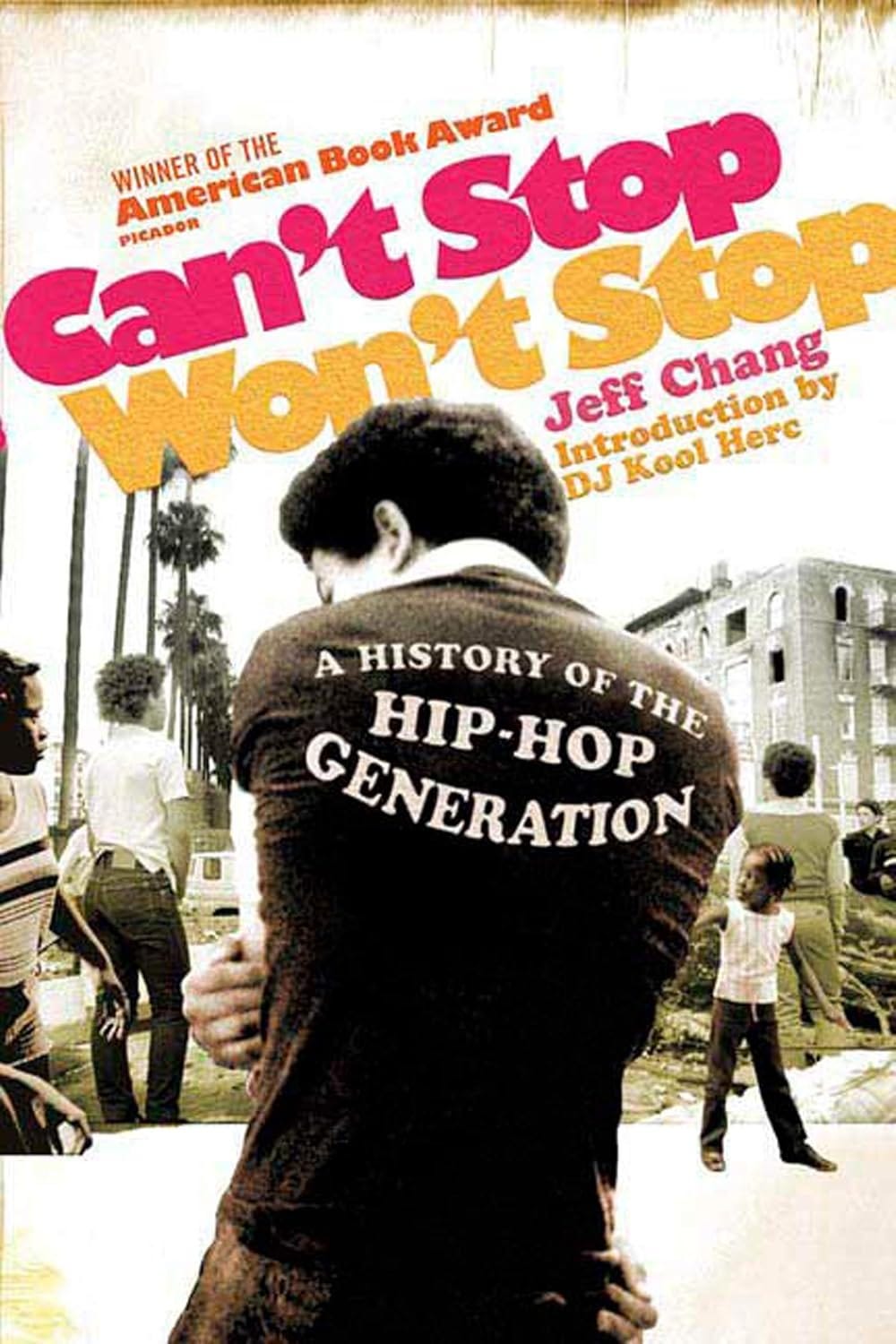
Jamaican music has some of its own bizarre global stories. Jamaicans listened to fuzzy radio signals of R&B music from New Orleans, somehow morphed that influence into ska and reggae. Later, Jamaican immigrants like Kool Herc brought their soundsystem DJ culture (along with proto-rap “toasting”) to the Bronx, where they helped invent hip-hop.
And then that music merged decades later with Jamaican dancehall to create reggaeton in Puerto Rico, which has since conquered the Spanish-speaking world, from eternal dancefloor hit “Gasolina” to Bad Bunny, who has himself brought reggaeton into contact with every other sub-genre across the Spanish speaking world.
Tracing these winding paths of global culture is endlessly rewarding. And along the way you get the best perk of all: discovering great music.
My salsa favorites
In Tyler Cowen’s phrasing, the book and the trip to Cali helped me crack a new cultural code. Colombian salsa is solid, and I learned a bit about the distinction between the smoother salsa romantica and the grittier salsa dura (I prefer the latter). But mostly I got stuck on some of the older influential Cuban and Puerto Rican bands.
As I briefly mentioned above, salsa music arose out of Cuban dance music, particularly the son genre. Sexteto Habanero are representative: string instruments, group vocals, and African percussion. We’re in the 1920s and 1930s here and still quite far from salsa, but I love the breezy island feel:
Arsenio Rodríguez and others innovated and created son montuno by blowing up the small band format of Sexteto Habanero, adding piano, horns, and more drums. He introduced breaks for jazz-like improv, which also created great space for dancers.
Essentially, he invented salsa music before it had a name. The genre became more formalized in New York, as Cuban and Puerto Rican immigrants brought this music into contact with the jazz dance band of the 1950s and 1960s.
There’s a lot of excellent music from this early period. I’ve enjoyed everything I’ve listened to by Sexteto Habanero and Arsenio Rodriguez. La Sonora Matancera, the band that gave Celia Cruz her start, are fantastic. Lise Waxer notes that Puerto Rican bands often get short shrift, and identifies Cortijo y su Combo as the most influential in Colombia.
One last curio, the author dug into the archives and the earliest Colombian salsa record she could find was Julian y su Combo’s A Buenaventura from the mid-1970s. Here’s a Bandcamp link to the whole thing.
Arsenic Rodriguez! So chromatic, jazzy!!